Lead Nurturing Process: How Successful Businesses Turn Leads Into Customers With Structured Nurturing

Summarize with


Last Updated:
Lead generation fills the pipeline. Lead nurturing moves people through it.
Many teams generate steady traffic and collect email subscribers, but still struggle to turn interest into real buying intent. Contacts download resources, sign up for newsletters, and attend webinars, but never become customers. The problem is rarely a lack of leads. The problem is usually the absence of a clear lead nurturing process.
This guide explains what lead nurturing actually is, how the lead nurturing process works, and the strategies and tactics that move leads toward real decisions.
The goal is simple. Help you understand how nurturing works in practice so you can build systems that move leads from curiosity to readiness.
What Lead Nurturing Actually Means And What It Does Not
Lead nurturing is not simply about sending emails. It focuses on helping leads move forward. Scheduled email campaigns focus on delivering messages over time.
The difference between nurturing and basic email campaigns is not technical but strategic. Lead nurturing adapts to behavior and changing needs, while traditional drip campaigns follow a fixed path. Nurturing responds to progress. Drips simply repeat schedules.
An effective nurturing system is guided by three questions:
- What the lead understands now
- What they need next
- What action shows progress
The difference is not technical. It is strategic. Nurturing adapts. Scheduled campaigns repeat.
Lead Generation vs Lead Nurturing
To nurture your lead properly, you need to understand the core difference between lead generation and lead nurturing first. Here are a few differences you should know about:
| Aspect | Lead Generation | Lead Nurturing |
|---|---|---|
| Core Purpose | Attract and capture attention | Educational sequences, use cases, and decision support |
| Main Goal | Turn visitors into leads | Maintain awareness |
| Key Principle | Generate leads | Change readiness |
| Role in Funnel | Entry point | Progression stage |
| Key Focus | Acquisition | Movement and decision support |
| Typical Content | Educational sequences, use cases, and decision support | Educational sequences, use cases, decision support |
| Example Scenario | A marketer downloads a funnel guide | The marketer receives emails explaining funnels and evaluation methods |
| How Messages Are Triggered | Form submissions or signups | Behavior and intent signals |
| Personalization Level | Usually basic | Highly contextual |
| System Logic | Capture first contact | Guide leads forward |
Stages of Lead Nurturing Process
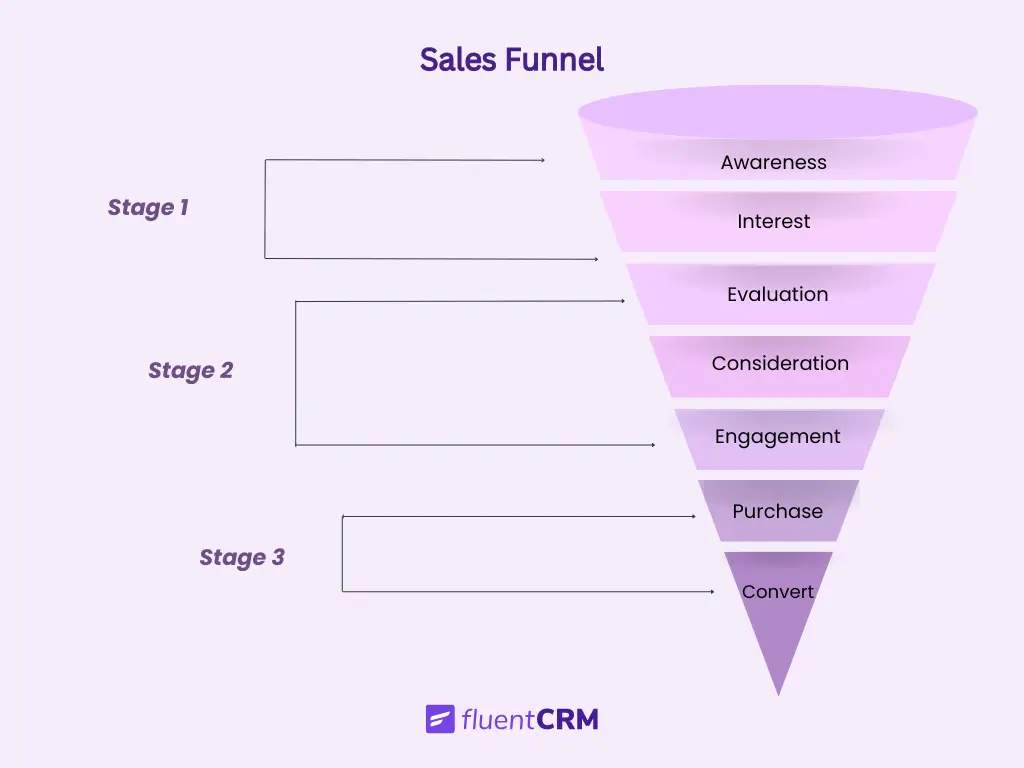
The lead nurturing process is the sequence of changes that turn interest into readiness. Leads do not move randomly. They move through predictable stages.
Understanding these stages helps marketers deliver the right content at the right time.
Stage 1: Awareness to Understanding
At this stage, leads realize something is not working but do not yet fully understand the problem. They believe there must be a better way and start exploring possible approaches.
They typically ask questions like how others solve similar problems, what options exist, and which methods work. This stage is usually marked by behaviors such as reading guides, downloading resources, or watching tutorials.
For example, a SaaS founder who downloads a guide about email automation is exploring ideas, not choosing tools.
Educational emails, frameworks, concept explanations, and industry insights work best here because they help leads build understanding.
Stage 2: Understanding to Evaluation
Once leads understand the problem, they begin comparing possible solutions and thinking about what might work best for them. Their focus shifts from learning to choosing the right approach.
They start asking practical questions such as which approach fits their situation, what features matter most, what results are realistic, and what other teams are using. This stage is often reflected in behaviors like visiting product pages, reading case studies, and comparing tools.
Content that works best here includes use cases, comparison guides, case studies, and workflow examples because these help leads evaluate their options.
Pro-Tip: You can generate leads through content marketing, once you can properly evaluate their questions and provide answer through your content, homepage, and feature page.
Stage 3: Evaluation to Readiness
In the final stage, leads prepare to make a decision and focus on whether a solution is the right choice for them. Their attention shifts from comparing options to confirming that they can successfully implement the solution.
They start asking practical questions such as whether the solution fits their needs, how difficult the setup will be, what results they can expect, and whether the investment is worthwhile. This stage is often reflected in behaviors like visiting pricing pages, signing up for trials, or requesting demos.
Pro-Tip: Every business needs to follow a proper lead magnet funnel to nurture leads. Once you are aware of the stages every successful leads go through, you can follow this guide to build a high-converting lead magnet funnel.
Content that works best here includes implementation examples, real workflows, and decision support materials that reduce uncertainty and help leads move forward.
Lead Nurturing Process Most Successful Businesses Follow
Successful lead nurturing depends on systems rather than isolated campaigns. Strong nurturing strategies create a consistent path that helps lead move from early interest to real decisions. The following approaches form the foundation of effective lead nurturing.
Contextual Sequencing
Contextual sequencing means that emails follow behavior instead of a fixed schedule. Rather than sending the same sequence to everyone, content adapts to what the lead has already shown interest in.

For example, if a lead downloads a guide about segmentation, the next emails might explore segmentation frameworks, practical examples, and real workflows. This creates a natural progression instead of disconnected messages.
When each message connects to the previous interaction, it leads to experience continuity. Continuity builds trust and makes the learning process easier to follow.
Pro-Tip: You can check out how to write lead nurturing email sequences for a high conversion rate and know how to write email sequence contexually.
Progressive Disclosure
Progressive disclosure introduces ideas gradually, so leads can build understanding step by step. Sending advanced material too early often creates confusion and slows progress.
A structured sequence might begin with basic concepts such as lifecycle marketing, then move to how lifecycle campaigns work, and later explain how automation systems are structured.
This approach helps lead to absorbing information at a comfortable pace. As understanding grows, confidence grows with it.
Intent-Based Branching
Not all leads move in the same direction. Intent-based branching allows nurturing paths to adjust based on behavior.
For example, one lead may spend time reading educational articles while another visits pricing pages. The first lead still needs understanding, while the second needs evaluation support.
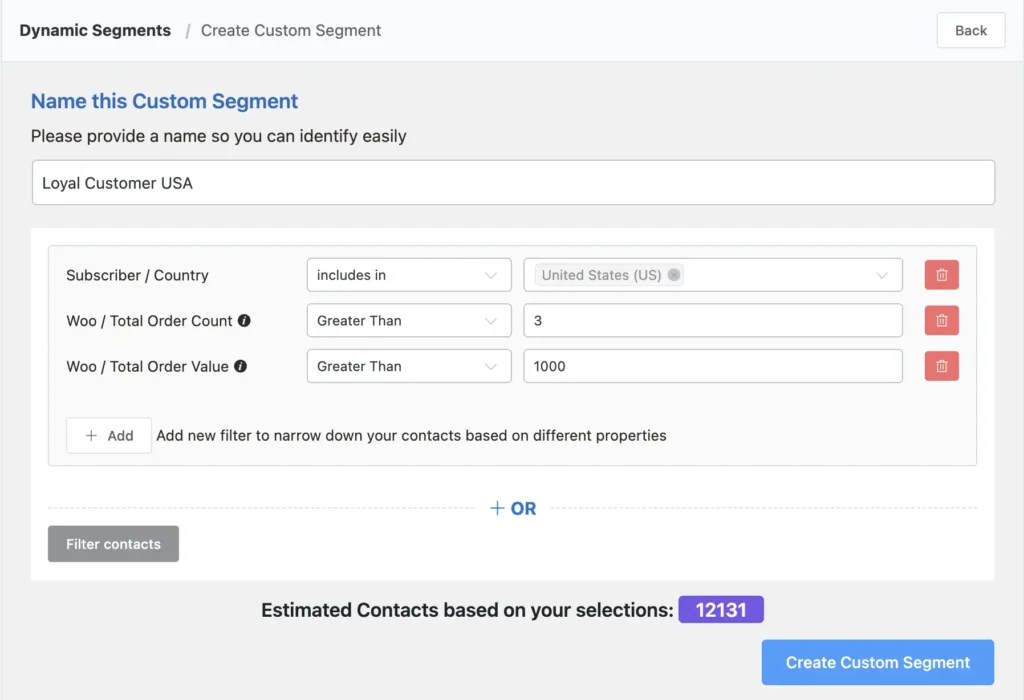
When nurturing reflects intent, communication feels relevant. Both leads receive what they need instead of being forced into the same sequence.
Pro-Tip: Use a dynamic tag in your contact list to segment your content based on intent. Later, you can run an email campaign based on the contact list requirement.
Aligning Content With Readiness
Effective nurturing matches content to decision readiness. Leads in early stages need clarity, while leads closer to decisions need practical guidance.
Educational resources work best at the beginning because they help define problems and solutions. Later stages benefit from operational content such as workflows and implementation examples.
For instance, a beginner might start with a guide to email marketing fundamentals. A more advanced lead may need detailed automation workflow examples.
Know What Matters More: Timing or Frequency
Many teams focus on how often emails should be sent, but frequency alone does not move leads forward. Relevance and timing matter more.
One well-timed email can create real progress, while repeated irrelevant emails often lead to fatigue and disengagement.
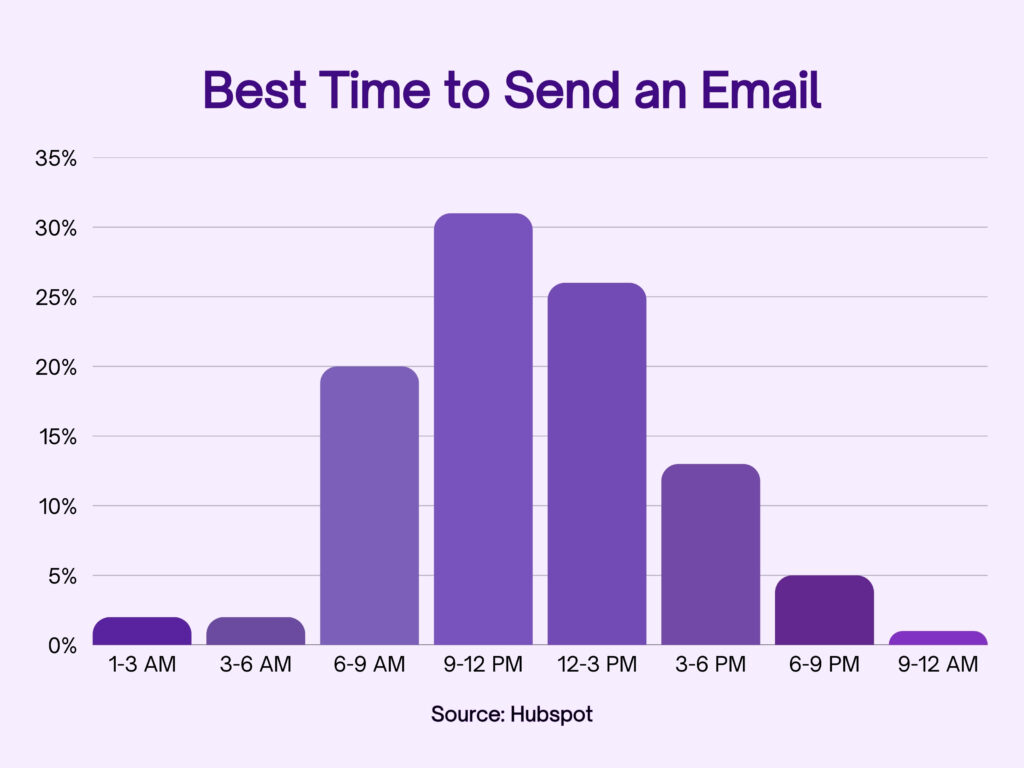
For example, if a lead engages with segmentation content, the next message should continue that topic. Sending general newsletters instead can interrupt the learning process and slow progress.
Progress happens when messages match context.
Pro-Tip: You should maintain email frequency as your leads require. But along with that, maintain email frequency best practises.
Using Structured Assets to Support Nurturing
Strong nurturing systems work best when built on structured assets that guide leads naturally through each stage.
Use these assets for lead nurturing:
- Lead Capture Landing Pages act as the first impression. Early-stage pages should educate with guides, frameworks, and industry insights, while later-stage pages provide actionable resources like templates or trial signups. Aligning landing pages with a lead’s stage improves both lead quality and engagement.
- Lead Nurturing Email Templates keep communication consistent and reduce manual effort. Sequences can include educational emails, use cases, and follow-ups. Using templates ensures a logical flow, speeds up execution, and keeps leads engaged throughout their journey.
- SaaS Free Trial Email Sequences help leads experience value hands-on. Focusing on onboarding tips, practical examples, and timely reminders reduces dropoff, increases activation, and helps leads reach meaningful outcomes.
When all these assets work together, every touchpoint becomes purposeful, relevant, and aligned with the lead’s stage in the nurturing process.
Pro-Tip: Nothing will begin in the first place if your website is not optimized for lead generation. So, begin there first. Make sure your website is optimized for lead generation.
Knowing When to Pause
Effective nurturing also includes knowing when to stop or pause communication. Continuous messaging is not always helpful and can reduce engagement over time.
Common pause points include long periods without engagement, trial expiration, or completed purchases.
Clear exit criteria prevent leads from remaining in endless sequences. When nurturing respects attention and timing, leads are more likely to stay engaged.
Pro-Tip: Now that you know the lead nurturing process many successful businesses follow, you can check out these lead generation ideas that can be applicable for your business.
Ground Level Lead Nurturing that Successful Businesses Follow
While lead nurturing strategies define the system and the roadmap, ground-level lead nurturing is about the actual actions that move leads forward. This is where theory becomes practice, and where engagement turns into measurable business outcomes.
Each action should tie to a lead’s stage, providing clarity, confidence, or readiness while keeping the process seamless. Here’s how successful businesses execute nurturing at the ground level:
Educational Emails
At the Awareness to Understanding stage, the goal is to help leaders build clarity and form mental models of the problem and its solutions. Content such as how email automation works, lifecycle marketing basics, or funnel structures helps organize their thinking.
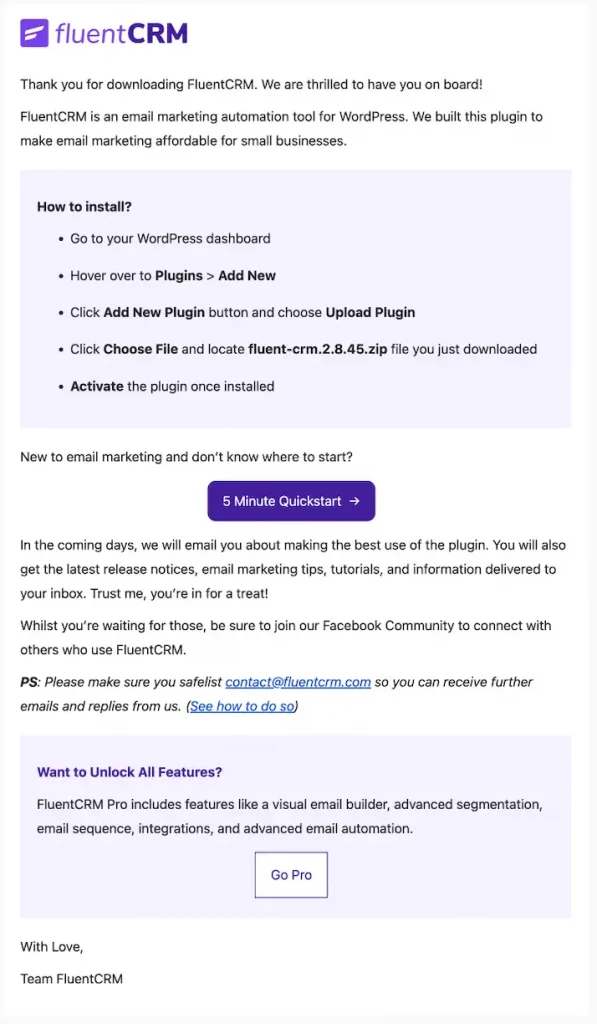
For example, a new subscriber might receive a series of emails explaining modern marketing systems, allowing them to understand the concepts without feeling pressured to make a decision.
Use-Case Driven Emails
At the Understanding to Evaluation stage, the focus shifts to showing leads how concepts work in practice.
Use-case-driven emails, such as SaaS onboarding workflows, eCommerce retention campaigns, or service business follow-ups, demonstrate real-world applications- these examples reduce uncertainty and make solutions feel actionable.
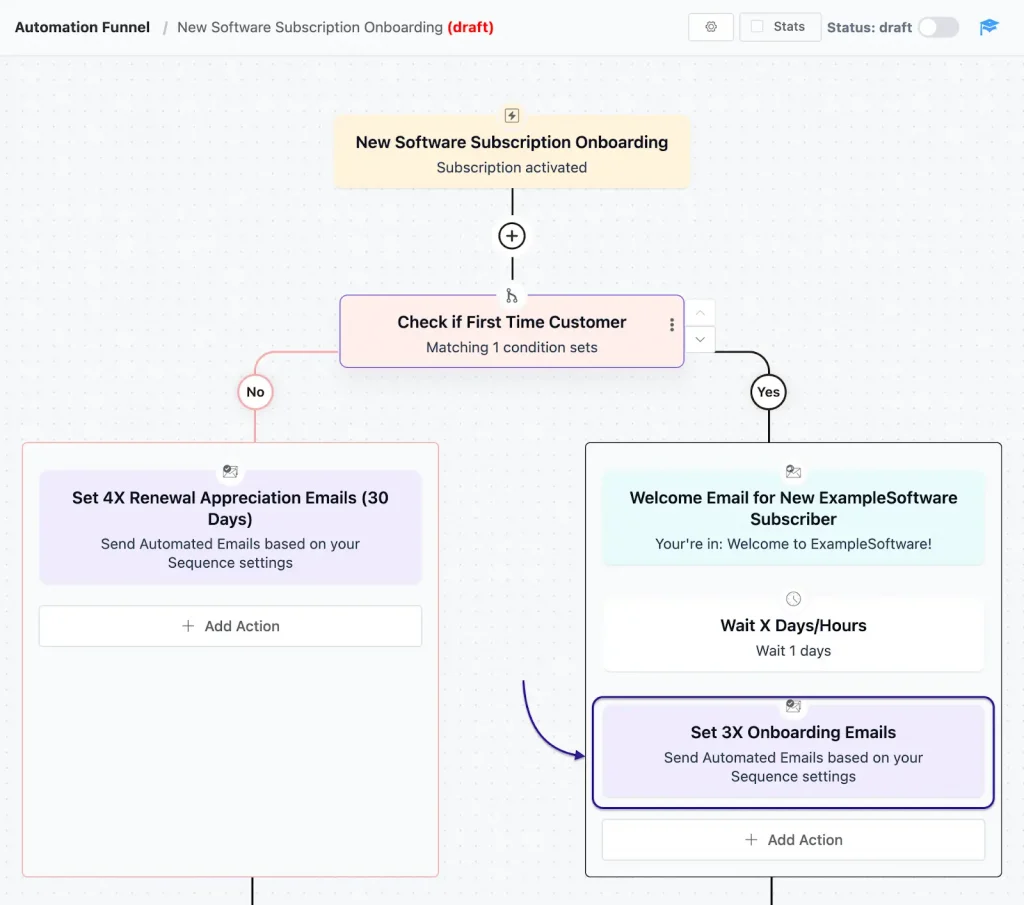
For instance, an eCommerce marketer might receive an email illustrating how abandoned cart sequences recover revenue, turning abstract theory into a practical, relatable example.
Case Studies and Social Proof
At the Evaluation stage, the priority is building trust and credibility, so leads feel confident about their choices. Case studies and social proof, such as customer stories, before and after scenarios, and measurable outcomes, help demonstrate that results are achievable.
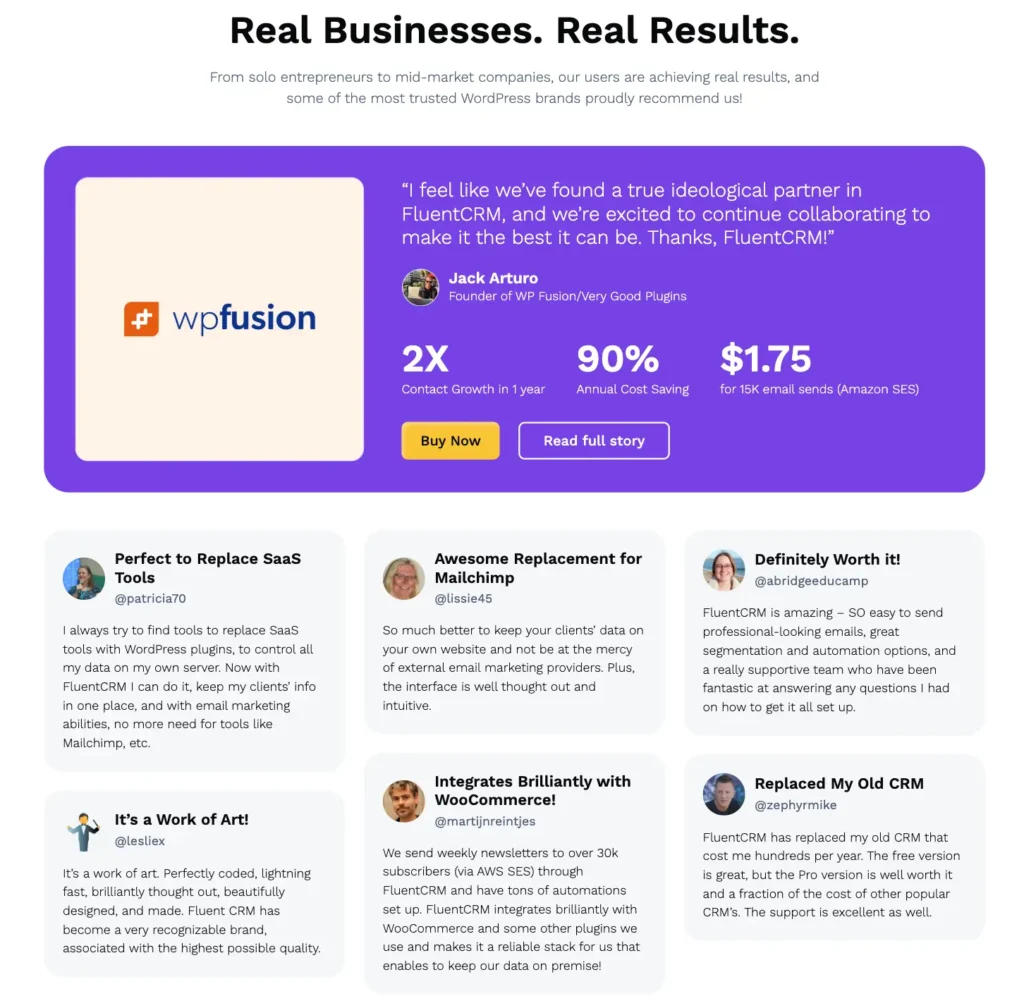
This approach is especially effective in SaaS, service businesses, and high consideration B2B sectors where decisions require stronger justification.
For example, a SaaS company might share how segmentation improved conversion rates, giving potential customers confidence that similar results are possible.
Micro Conversions and Soft Calls to Action
Across all stages, soft calls to action and micro conversions help measure engagement and readiness. Simple actions such as reading a guide, watching a tutorial, or trying a template provide signals that reveal how interested a lead is.

For example, a lead who downloads a workflow template usually shows stronger intent than someone who only reads articles, indicating greater readiness to move forward.
Reminder and Follow-Up Emails
At the Evaluation to Readiness stage, the focus is on maintaining momentum and preventing decisions from stalling. Reminder and follow-up emails, such as trial reminders, resource follow-ups, and decision support messages, help leads continue moving forward.
For example, a lead may sign up for a trial but not complete the setup, and a well-timed reminder can guide them through the next steps and keep the process moving.
Moreover, for B2B leads who don’t open or respond to emails, switching channels can sometimes restart the conversation. LinkedIn outreach is particularly effective at this stage: a short, personalized LinkedIn message often gets a response where emails have gone silent.
Behavior Tracking
Behavior tracking helps businesses understand what leads actually care about. Actions such as email engagement, page visits, and resource downloads reveal interests and priorities. When teams can see what leads interact with, they can follow up with relevant content instead of guessing. This keeps communication focused and useful.
Segmentation by Readiness
Segmentation organizes leads according to where they are in the journey. Instead of treating everyone the same, businesses group contacts into stages such as new leads, active evaluators, or trial users. This structure prevents random messaging and makes nurturing more predictable and effective.
For deeper frameworks on organizing audiences, see Email Audience Segmentation.
Triggered Followups
Triggered follow-ups respond to lead behavior automatically. A resource download can start an educational sequence, a trial signup can begin onboarding emails, and inactivity can trigger reengagement messages.
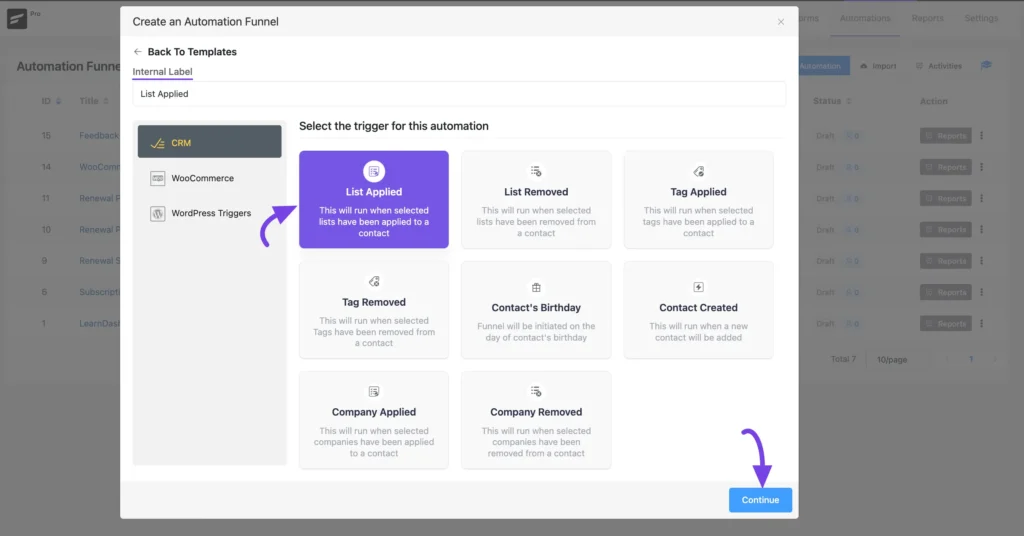
These timely responses keep nurturing relevance and reduce delays that often slow down decisions.
A Simple Example System
A practical nurturing system often follows a clear progression.
First, a lead downloads a resource through a form.
Next, they receive educational emails that help them understand the topic. Here’s what happens next:
- If they engage with more advanced material, they begin receiving evaluation-focused content.
- If they start a trial, onboarding emails guide them through the process.
- If they become inactive, reengagement emails bring them back.
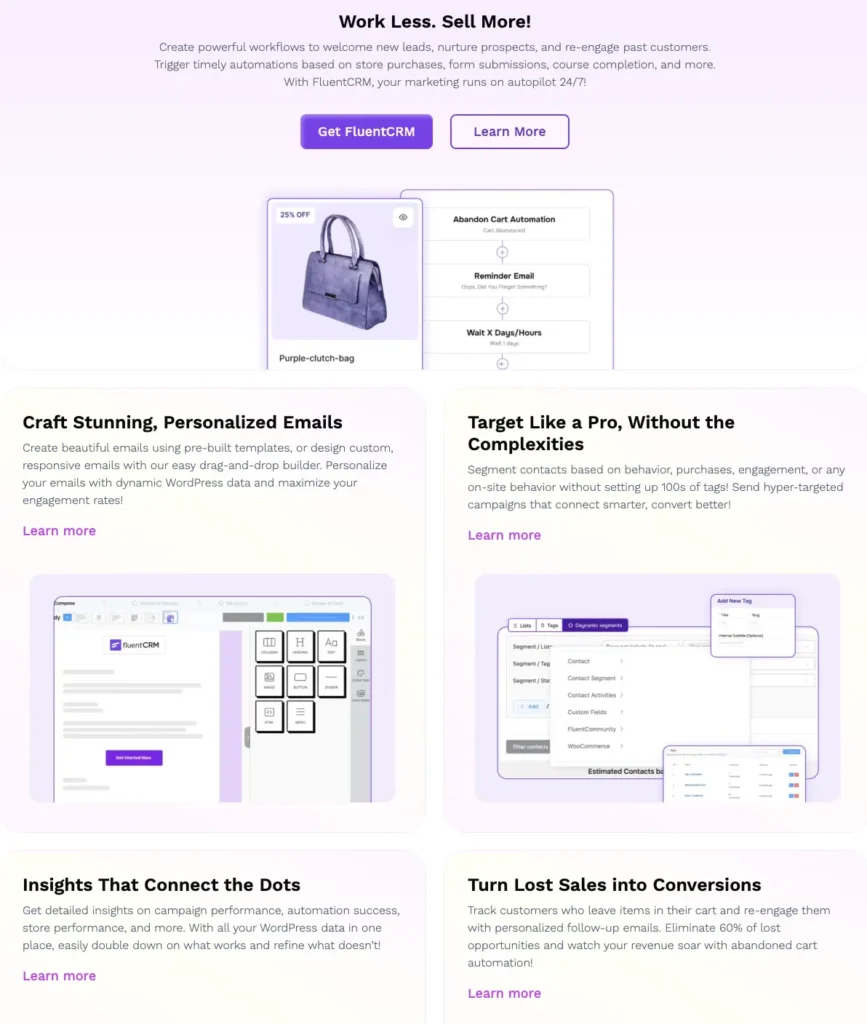
Systems such as FluentCRM make this type of progression easier by combining segmentation, behavior tracking, and automation in one place.
The system supports execution, while the nurturing strategy defines direction.
Why Most Lead Nurturing Fails
Most lead nurturing problems do not come from a lack of content but from weak systems and unclear progression. When nurturing lacks structure, leads stop moving forward, and engagement declines. Recognizing common failure patterns helps teams build systems that support steady progress.
- Treating all leads the same ignores context and leads to irrelevant communication
- Ignoring engagement signals wastes valuable information about intent
- Confusing newsletters with nurturing keeps leads informed, but does not move them forward
- No exit criteria keep leads stuck in endless sequences and waste resources
- Sending content that does not match the stage slows down progression
- Focusing on volume instead of relevance creates email fatigue and disengagement
- Overloading leads with complex information too early creates confusion
- No measurement of progress makes it difficult to improve nurturing systems
From Leads to Lasting Growth
Lead nurturing works best when it is treated as a continuous growth system rather than a one-time campaign. Instead of pushing quick sales, effective nurturing guides leads step by step from initial awareness to confident decision-making.
As leads move from awareness to understanding, from understanding to evaluation, and finally to readiness, they gain clarity about their problems and confidence in the solutions available to them. This gradual progression makes decisions feel natural rather than forced.
Organizations that build strong nurturing systems rely less on constantly finding new leads. Instead, they create value from the leads they already have by turning interest into real opportunities.
Sustainable growth begins when businesses stop chasing leads and start developing them.
Samira Farzana
Once set out on literary voyages, I now explore the complexities of content creation. What remains constant? A fascination with unraveling the “why” and “how,” and a knack for finding joy in quiet exploration, with a book as my guide- But when it’s not a book, it’s films and anime.
Table of Content
Related Articles and Topics
-
How to Use Video Lead Scoring for a Product Launch Waitlist [Complete Guide]
You put together a teaser video for the thing you’re about to launch. It goes…
-
How to Create a Newsletter Archive on WordPress within 5 Minutes!
You send a newsletter to your subscribers, once they reach their inboxes and read it…