20 Monthly Newsletter Ideas for When You’re Out of Ideas [+ Real-life Examples]

Summarize with


Last Updated:
Even the best ideas fail if your newsletter never lands. Many marketers freeze at a blank page, sending inconsistently, letting their audience drift, and fading into inbox noise.
Your subscribers aren’t looking for perfection; they want relevance, value, and reliability. This guide gives you 20 newsletter concepts designed for any audience or industry, each with a clear goal, a tested subject line angle, and a practical reason it works.
Keep this handy whenever you’re out of ideas.
The Elements of a Successful Newsletter
A great newsletter works because each part has a clear job. When these elements align, your email becomes easier to read, more engaging, and more likely to drive action.
- Subject line: Drives open by making a clear promise or sparking curiosity.
- Single focus: Delivers one clear value, so the message is easy to grasp.
- Strong opening: Hooks attention fast and gives a reason to keep reading.
- Skimmable structure: Uses short paragraphs and spacing to match how people actually read.
- Point of view: Adds perspective, turning generic content into something memorable.
- Clear CTA: Guides the reader to one simple next step, increasing action.
- Consistency: Builds familiarity through a repeatable format and schedule.
- Human tone: Makes the email feel personal, not like a broadcast.
20 Monthly Newsletter Ideas That Actually Work
When inspiration runs dry, sending your newsletter can feel like staring at a blank page. The truth? Your subscribers don’t expect brilliance every month; they just want something useful, timely, and worth their attention.
These 20 ideas make it easy to show up consistently, engage your audience, and keep your emails from getting lost in the inbox.
The Monthly Roundup Email
Curate the 3 to 5 best pieces of content from your blog, your industry, or the tools your audience uses regularly. Your brand becomes the filter. Instead of your subscribers hunting for good content, you do it for them.
This is especially powerful in fast-moving industries where there’s too much noise. The effort is low; the perceived value is high.
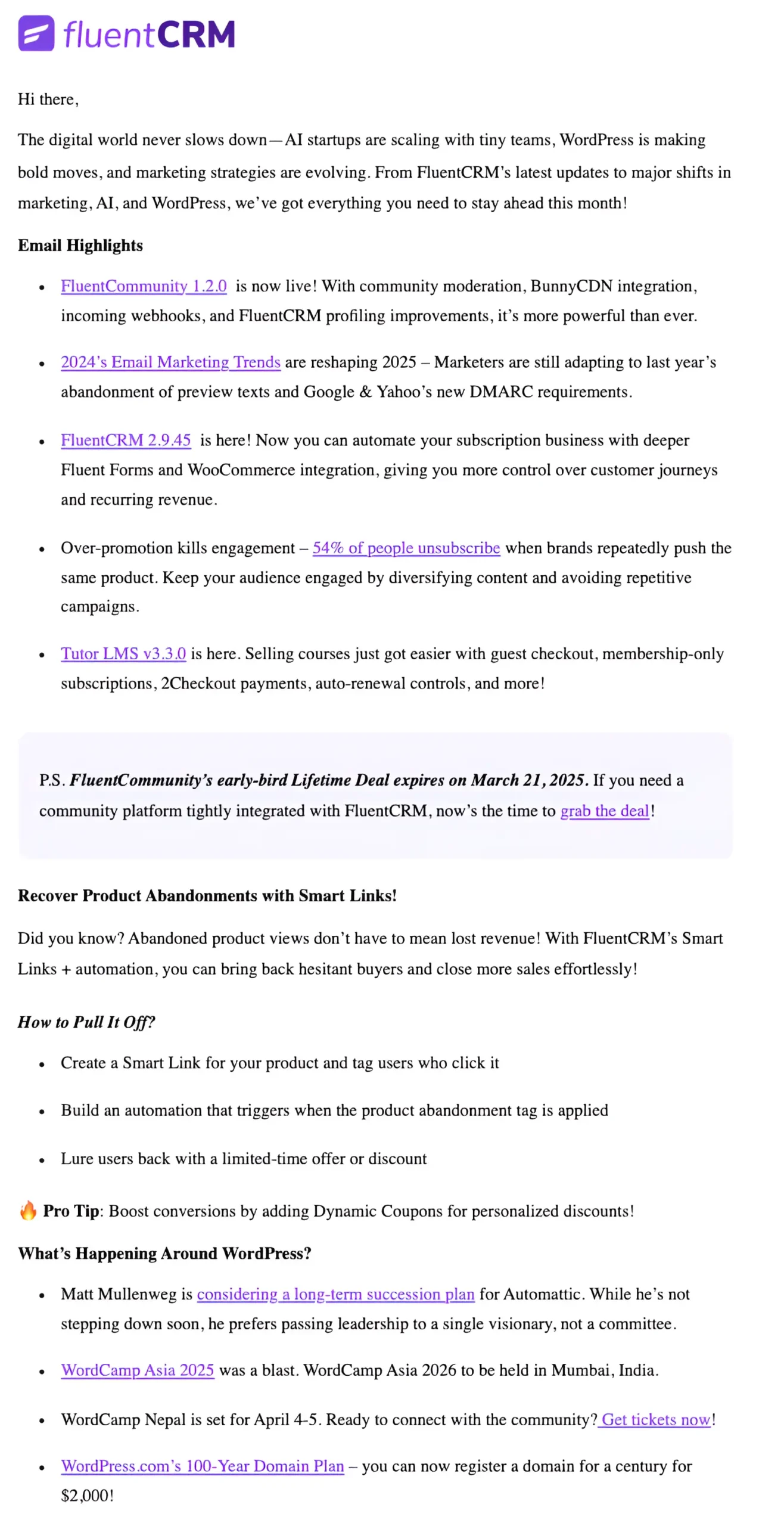
Example subject line: “5 things worth reading this month”
Best for: Content marketers, agencies, SaaS teams, B2B newsletters
Pro tip: Add one sentence of your own commentary for each link. “Here’s why this matters for you…” turns a plain list into a point of view.
Behind the Scenes Update Email
Share what’s actually happening inside your business. What you shipped, what flopped, what you’re working on next. People connect with people, not companies. A transparent update humanizes your brand. Subscribers feel like insiders, and that feeling keeps them opening month after month.
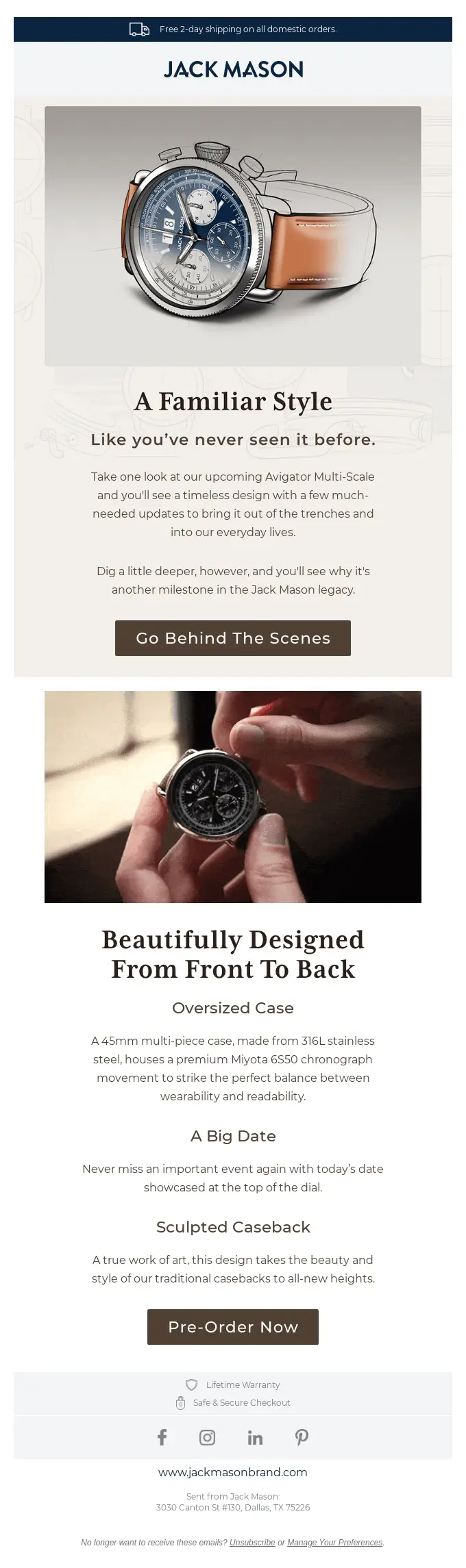
Example subject line: “What we broke (and fixed) this month”
Best for: SaaS companies, founder-led brands, creative agencies
Common mistake: Turning this into a polished press release. Keep it honest. The imperfections are what make people trust you.
Case Study Email
Feature one real customer’s result, transformation, or experience with your product or service. Social proof at this level is hard to fake and easy to believe. A case study email doesn’t feel like an ad. It reads like a story. And stories convert.
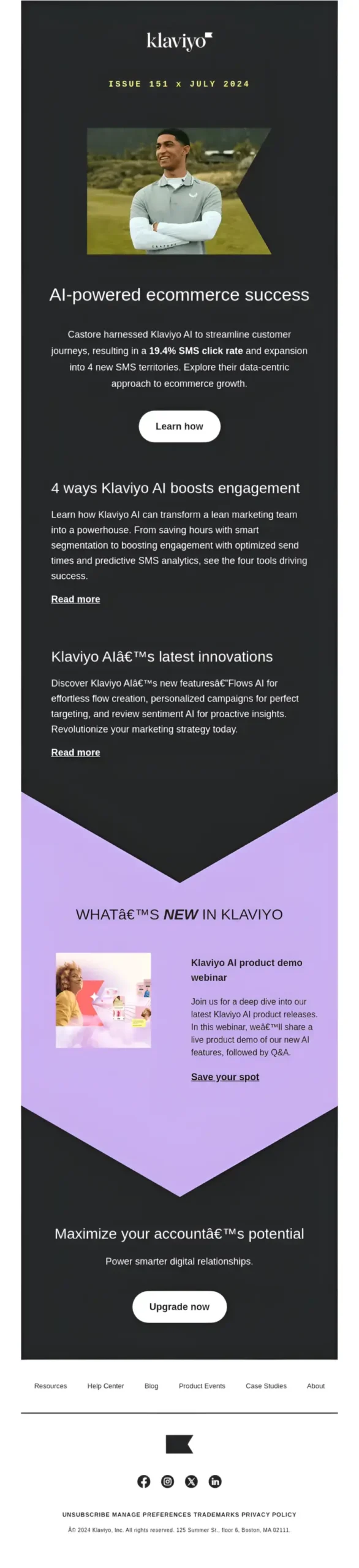
Example subject line: “How Sarah grew her WooCommerce store 40% with automated emails”
Best for: eCommerce brands, SaaS products, service businesses
Pro tip: Keep the spotlight on the customer, not on you. Your product is a supporting character. Their result is the headline. —
Calendar-Based Content Email
Tie your email content to what’s happening in the month. Trends, holidays, seasonal shopping behavior, and industry events. Why it works: Timeliness signals relevance. When your email feels like it belongs to this moment, not any random Tuesday, open rates go up. Subscribers forward timely content. Generic content gets archived.

Example subject line: “Your April checklist is here”
Best for: eCommerce, retail, B2C marketers, local businesses
Pro tip: Plan this three months out. You don’t want to be writing your Q4 holiday email on November 28th.
Educational Content Email
Pick one topic your audience struggles with and explain it well. No selling. No pitch. Just genuine education. Trust is built over time, not in a single campaign. Educational emails position your brand as the knowledgeable partner your subscriber can rely on. When they’re finally ready to buy, you’re the obvious choice.

Example subject line: “The real reason your email open rates are dropping”
Best for: B2B companies, SaaS tools, professional services
Exclusive Subscriber Offer Email
Give your list something they can’t get anywhere else. Early access, a discount, a bonus resource, a private webinar invite. Exclusivity makes the subscription feel worth keeping. It rewards your most loyal subscribers and reduces list fatigue by giving people a reason to stay.
Example subject line: “For subscribers only: 20% off ends Friday”

Best for: eCommerce, SaaS products, membership communities.
A common mistake you should avoid in this type of newsletter is to send “exclusive” offers that are actually available everywhere. If it’s not actually exclusive, don’t call it that.
Subscriber Survey Email
Ask your audience one specific question and share the results in your next email. High engagement with zero content creation pressure. You get data about your audience’s priorities. They feel heard, which deepens the relationship. And the follow-up email writes itself: “Here’s what 400 of you told us.”
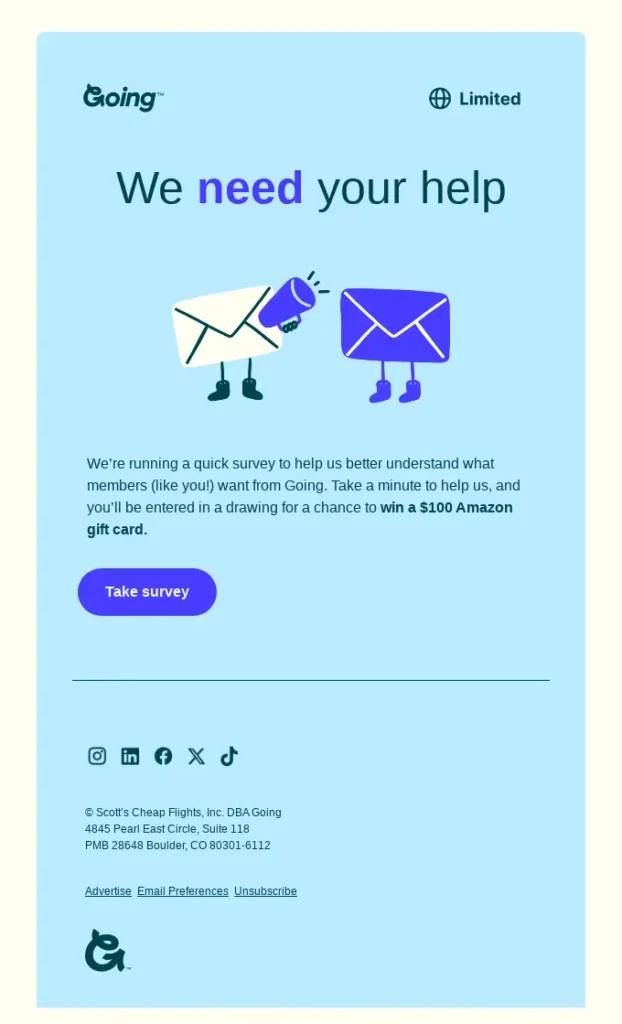
Example subject line: “Quick question (takes 30 seconds, helps us a lot)”
Best for: It’s not just suitable for every list, every industry; it is extremely necessary for growth. A subscriber survey email helps you to look at the pain points of your users and solve them.
Pro tip: One question only. Multi-question surveys get abandoned halfway through. One clear question gets responses.
Product or Feature Update Email
Share what’s new in your product, but frame it around what it means for the subscriber, not what you shipped.
Active users need to know about features they’d love but haven’t discovered. Dormant users may have left because of a problem you’ve since fixed. This email reactivates both groups.
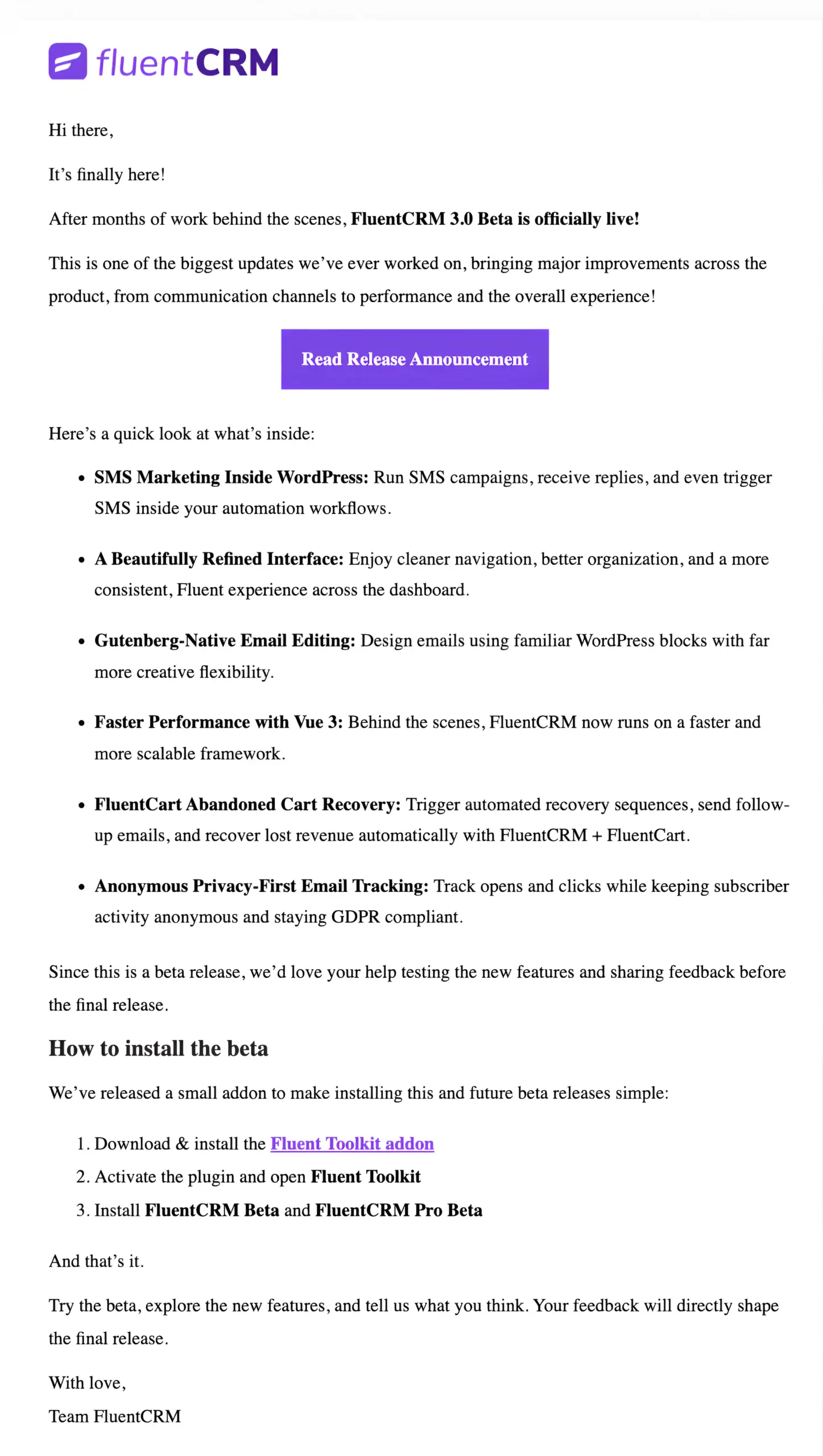
Example subject line: “We just shipped something you’ve probably been waiting for”
Best for: SaaS companies, plugin developers, and software tools.
Common mistake: Sending a changelog. Nobody wants to read a changelog. Tell them what problem this solves, not what lines of code you wrote.
User-Generated Content Email
Collect and share reviews, social posts, community wins, or creative uses of your product from real customers.
Authentic user content outperforms brand content every time. Your customers’ words carry more weight than yours. This email is essentially a trust-building machine that requires almost no original writing.
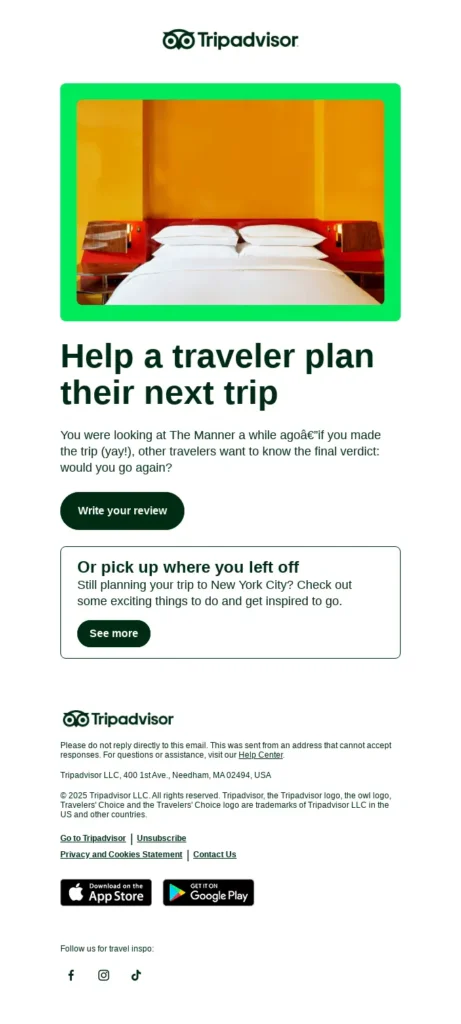
Example subject line: “Real people, real results: what your community said this month”
Best for: eCommerce brands, community-driven products, and physical products.
Re-engagement Email
Target subscribers who haven’t opened your emails in 60 to 90 days with a dedicated, honest message. A clean, engaged list outperforms a bloated, unresponsive one in every metric that matters: open rates, email marketing conversion rate, and deliverability. A win-back campaign recovers some lost subscribers and gives you permission to remove the rest.
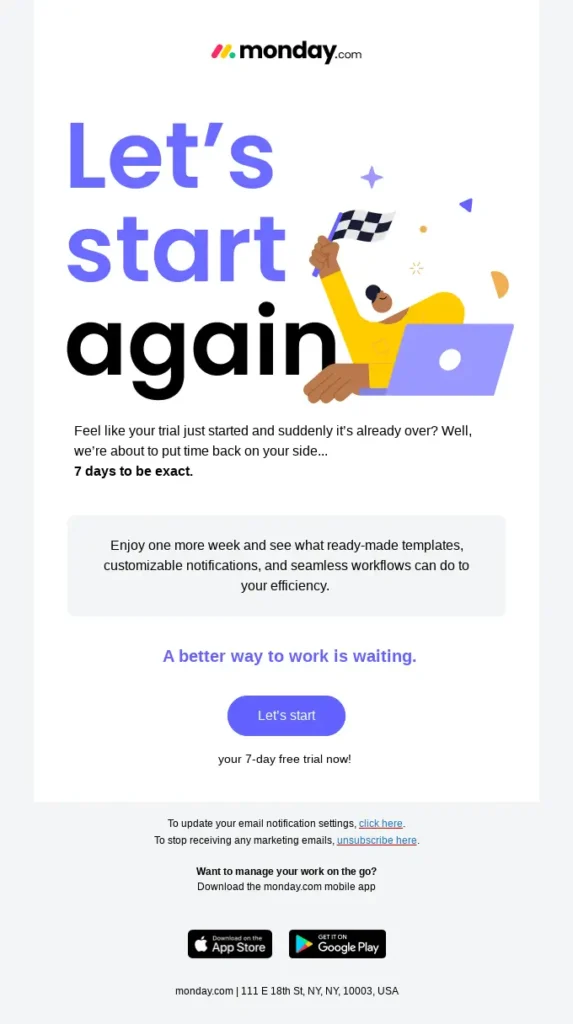
Example subject line: “We miss you. Is this still relevant to you?”
Best for: Any list older than six months is the perfect recipient of this sort of email newsletter.
Pro tip: Make the unsubscribe easy in this email. A subscriber who opts out cleanly is better than one who marks you as spam. For deeper tactics, see this guide on customer retention emails.
Industry News Digest Email
Summarize 3 to 5 things that happened in your industry this month and explain what they mean for your reader. Busy subscribers don’t have time to follow industry news on their own. You save them the effort. These emails get forwarded. Forwarded emails build your list.
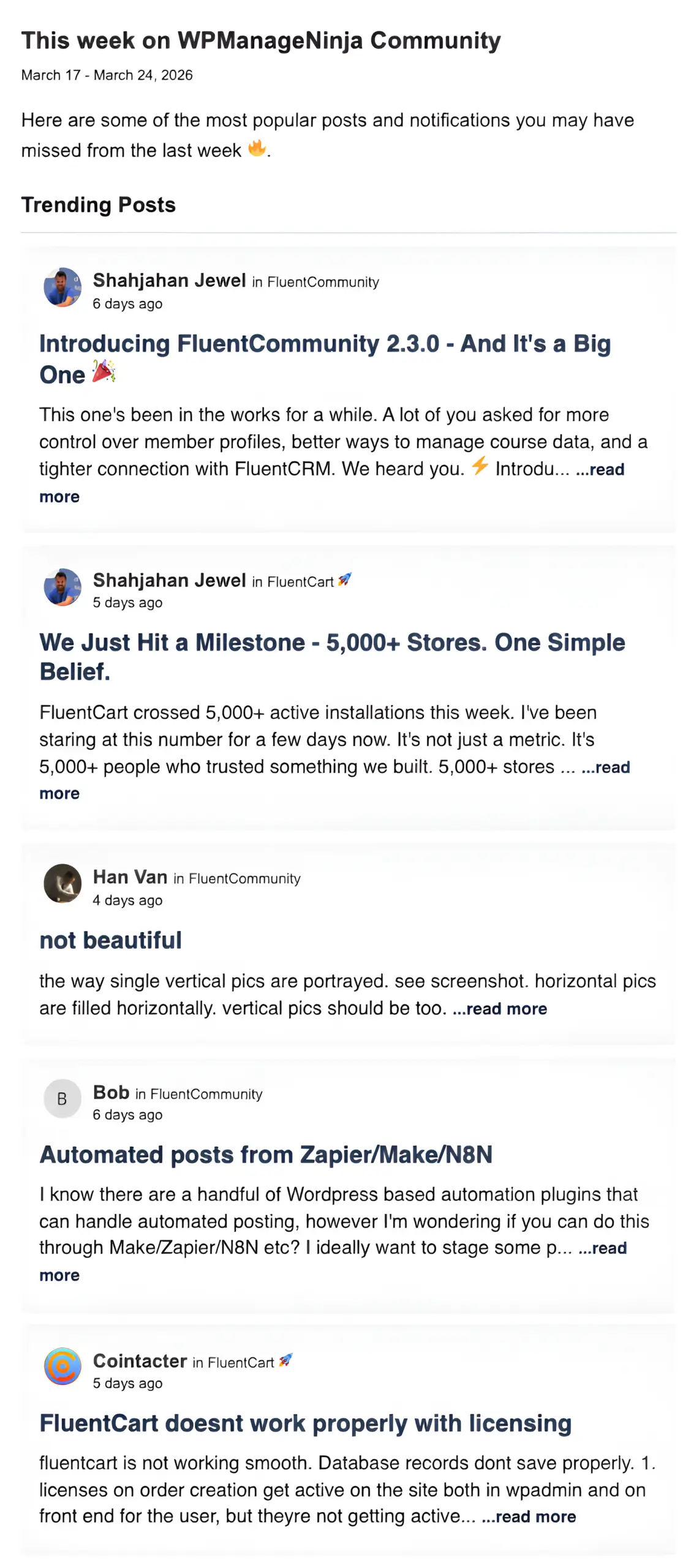
Example subject line: “What happened in eCommerce this month (and what it means for you)”
Best for: B2B audiences, professional communities, niche industries.
The Personal Story Email
Share a personal lesson, a contrarian take, or a behind-the-curtain perspective from your founder or team. It differentiates you from every other corporate-sounding email in the inbox. Opinions are memorable. They generate replies. And replies are the best possible signal to email providers that your list is engaged.
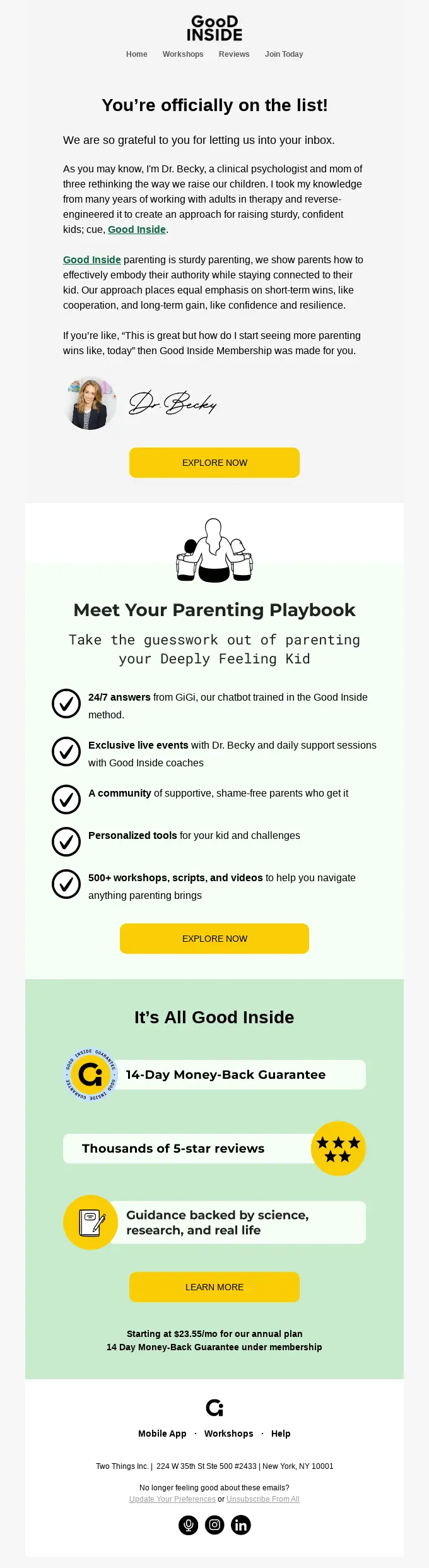
Example subject line: “I was wrong about email automation. Here’s what changed.”
Best for: Founder-led brands, consultants, solo creators, agencies.
Resource Roundup Email
Share 3 to 5 books, articles, tools, or resources your team found genuinely useful this month. It positions your brand as curious, learning, and well-connected. Subscribers appreciate the curation. This works especially well for B2B audiences who are always hunting for good professional development material.
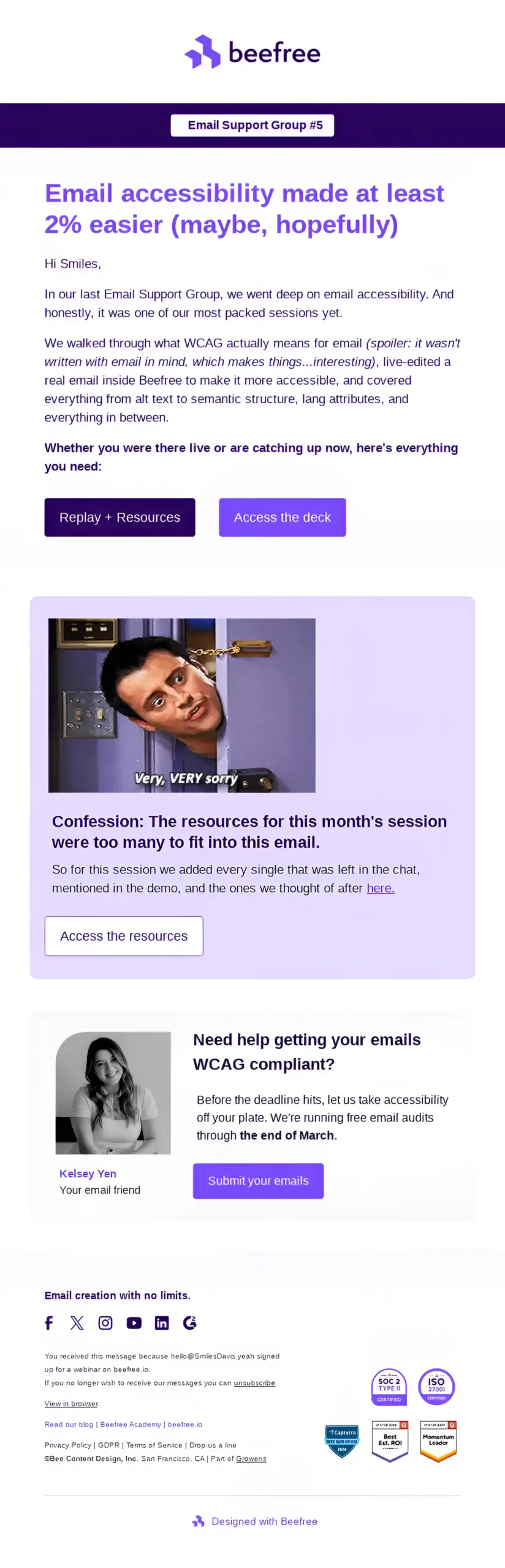
Example subject line: “What the FluentCRM team has been reading lately”
Best for: B2B, professional services, SaaS, creator economy.
Lightweight Humor Email
Use humor to spotlight relatable problems, everyday frustrations, or common industry habits your audience instantly recognizes. When done right, it entertains while subtly delivering your message. Humor lowers resistance, makes your emails more memorable, and increases shares and replies without feeling like a pitch.

Example subject line: “If your email strategy had a personality… this would be it”
Best for: Brands with a casual tone, B2C audiences, and creator-led or community-driven businesses.
Monthly Metrics Email
Share transparent data from your own business: growth numbers, campaign results, lessons from the month.
Transparency builds massive trust. Very few brands share real numbers. The ones that do earn loyal, engaged audiences. Even small numbers can be inspiring if you frame them correctly.
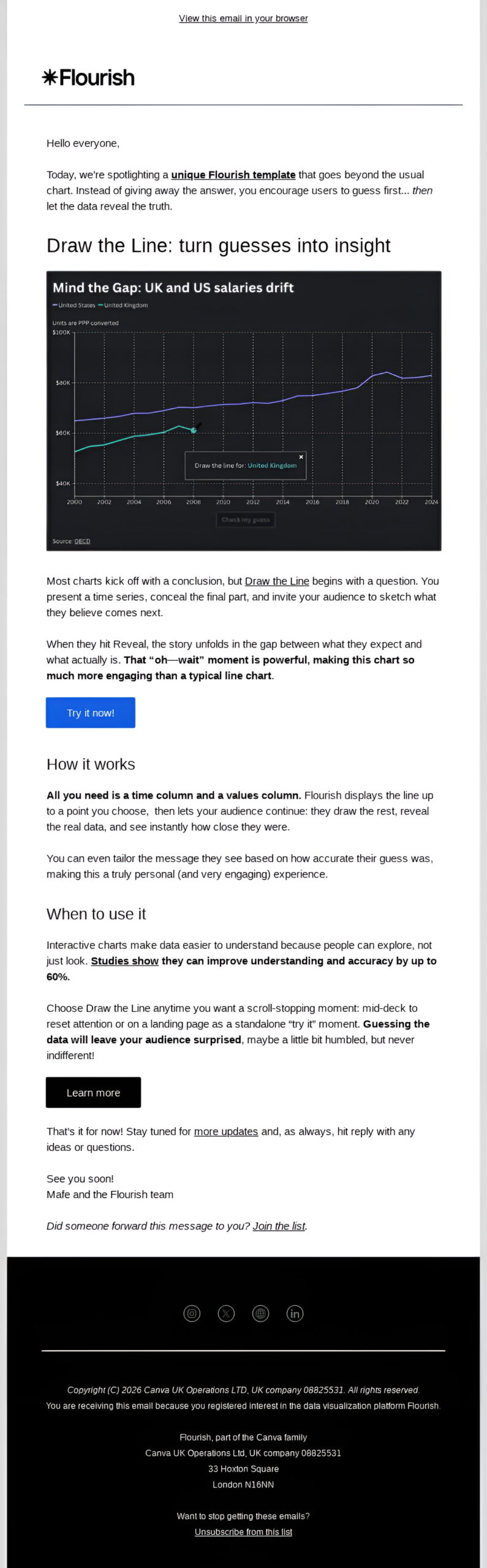
Example subject line: “Here’s exactly how our last email campaign performed”
Best for: Agencies, consultants, SaaS companies, creator businesses.
Question Toned Email
Collect subscriber questions from the previous month and answer the best ones in a dedicated email. It’s community-driven content that requires almost no ideation. Subscribers feel heard when their question gets featured. The Q&A format is naturally easy to read and scan. Use email personalization tactics to tag and segment who asked what for future relevance.
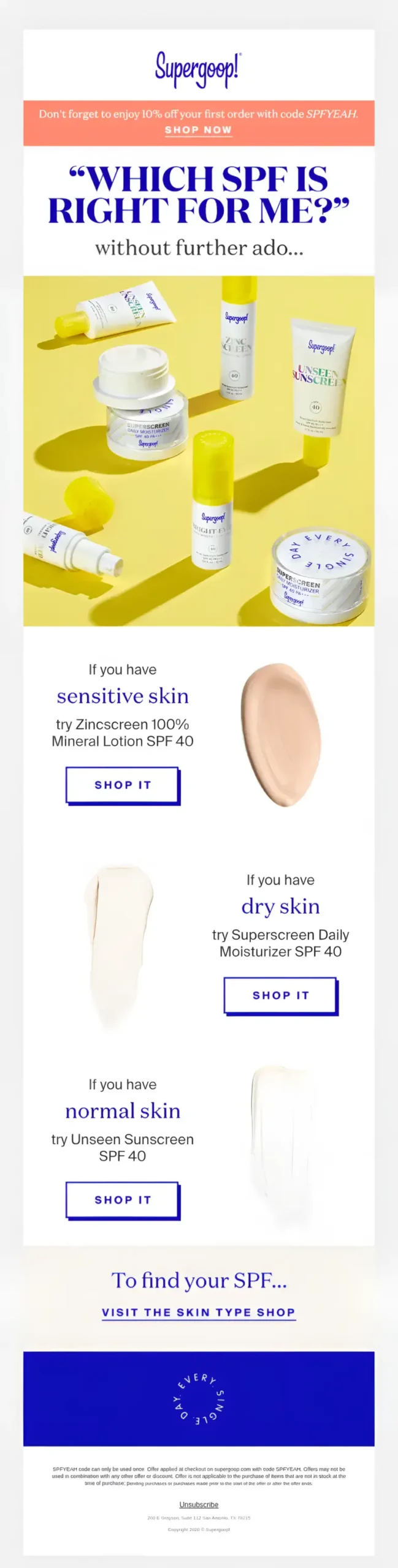
Example subject line: “Your questions, answered: the best from this month’s inbox”
Best for: Any list with an engaged, curious subscriber base.
Theme-based Email
Curate a themed selection of your products or services around a season, occasion, or subscriber goal. It simplifies decision-making. Subscribers don’t have to browse your full catalog. You’ve done the curation for them. This is one of the highest-converting email formats for eCommerce stores during peak seasons.
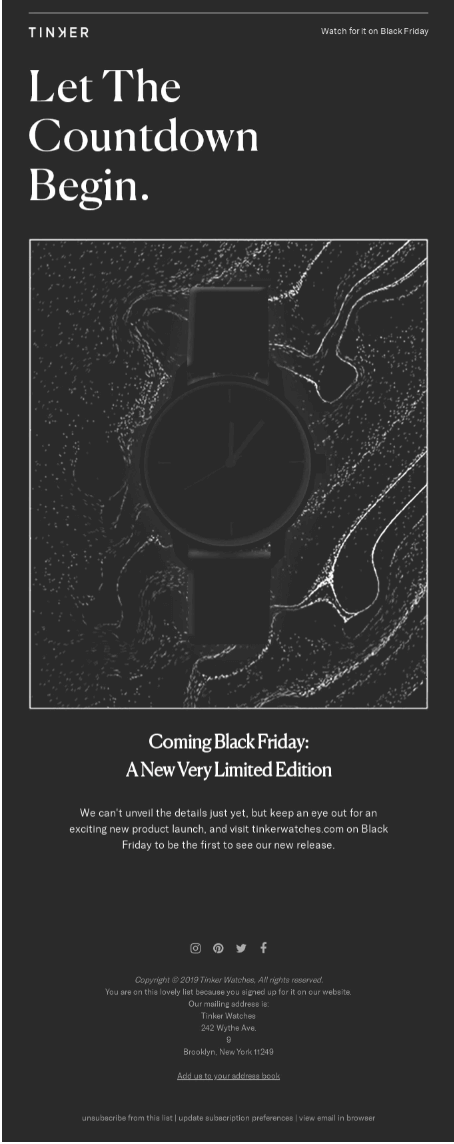
Example subject line: “Your spring setup: 6 things worth trying right now”
Best for: eCommerce stores, physical product brands, seasonal service businesses.
Comparison Email
Compare two approaches, tools, or strategies relevant to your audience’s decision-making. Why it works: Subscribers are constantly making decisions. An email that helps them choose better positions helps you as a trusted advisor, not just a vendor. It also ranks well in AI search results, which increasingly favor comparison-style content.
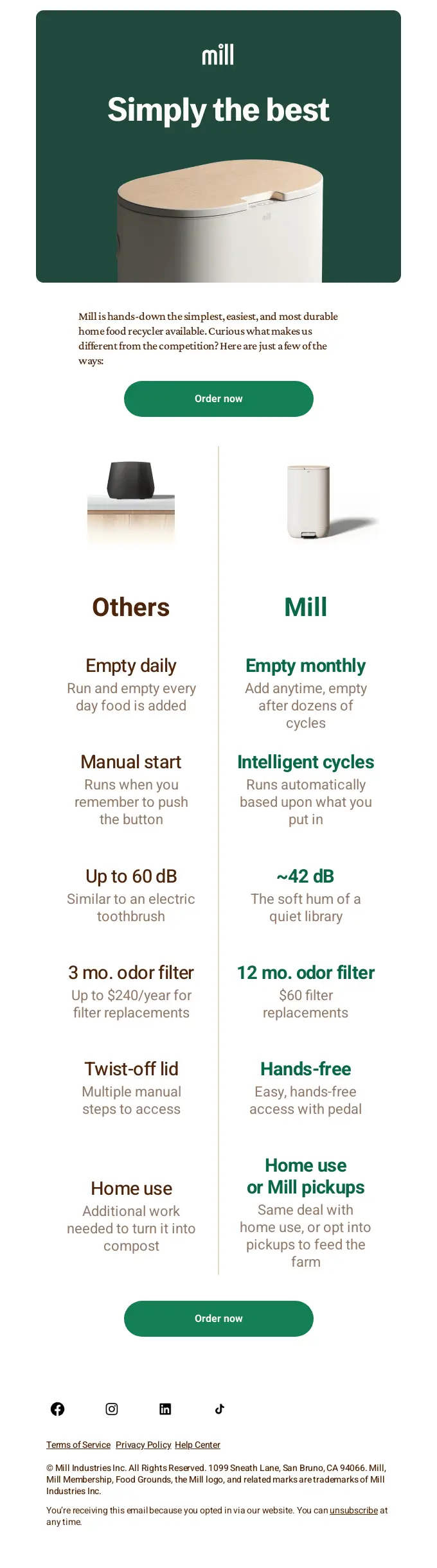
Example subject line: “Email sequences vs. broadcast campaigns: which one actually works better?”
Best for: SaaS, tool companies, B2B audiences.
Upcoming Events or Announcements
Give subscribers advance notice about upcoming webinars, product launches, live sessions, or conferences. It gives subscribers a reason to keep their eyes on your future emails. It also creates appointment viewing, meaning subscribers start expecting your emails as a source of important information.
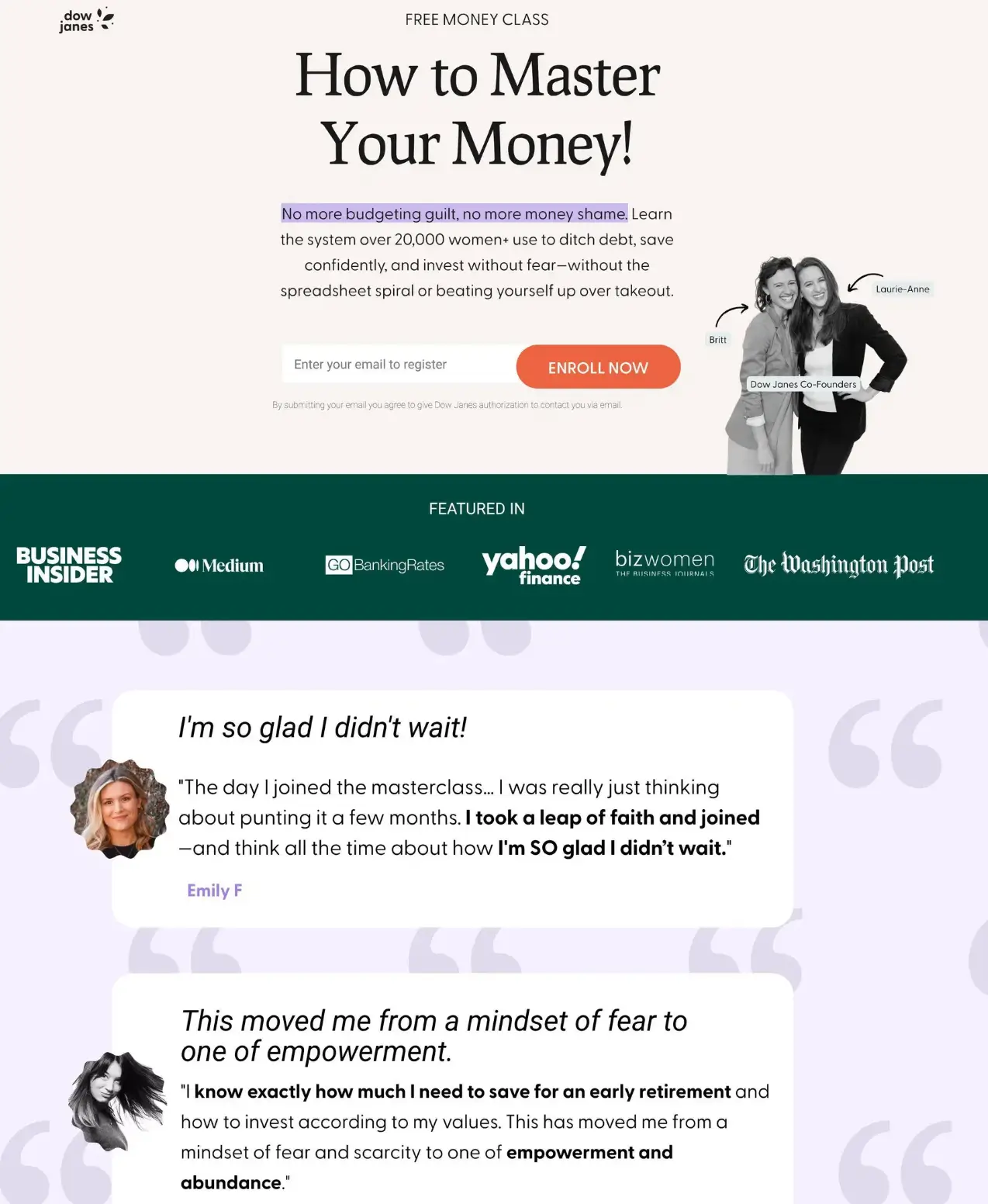
Example subject line: “Mark your calendar: something big is coming April 15”
Best for: SaaS companies, event businesses, product-led companies.
“What’s Coming” Email
At the end of the month, tease what’s coming next month in your newsletter, your product, or your content pipeline. It builds anticipation. Subscribers who are excited about the next issue are dramatically less likely to unsubscribe before it arrives. This is one of the simplest retention tactics in email marketing that almost nobody uses.
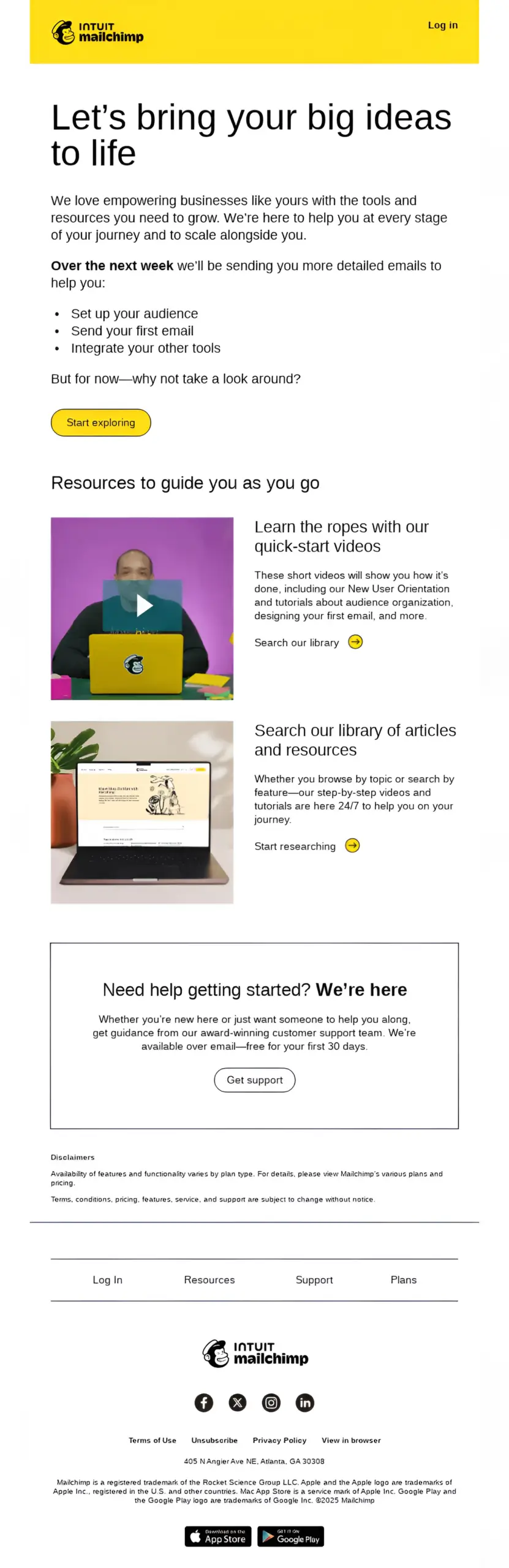
Example subject line: “Next month in your inbox: a sneak peek”
Best for: Product companies, content creators, brands with regular launches.
How to Plan Your Monthly Newsletter Calendar
The best newsletters aren’t written each month differently. They run on a repeatable system. Here’s a simple approach that takes about 30 minutes once per quarter:
- Step 1: Pick 3 content types per month. Choose one that educates, one that builds trust or community, and one that drives conversions. Rotate the format within those categories.
- Step 2: Map to your business calendar. Product launches, seasonal peaks, and key dates should anchor your calendar. Everything else fills in around them.
- Step 3: Segment before you send. Not every email should go to your entire list. New subscribers shouldn’t receive the same win-back email as your most loyal customers. Use email segmentation strategies to target the right people with the right content.
- Step 4: Write the subject line first. If you can’t write a compelling subject line for your email idea, the idea isn’t focused enough yet. The subject line is your clarity test.
Tools like FluentCRM make this easier by letting you schedule monthly sends, segment audiences by behavior, and track email engagement across your entire list without switching between platforms.
Newsletter Best Practices for High-Impact Performance
Even great content can get ignored if your newsletter execution is off. These best practices ensure your emails actually get opened, read, and acted on:
- Split testing for continuous improvement: A/B test subject lines, CTAs, and formats regularly as small changes compound into better performance.
- Unsubscribe visibility and list hygiene: Make it easy to opt out; a smaller, engaged list always outperforms a large, inactive one.
- Consistent sending frequency: Show up on a predictable schedule; irregular emails break trust and reduce engagement.
- Mobile-optimized Email: Keep sentences short and make sure the design displays properly on smaller screens.
- Plain text fallback: Always include a plain text email version to improve deliverability and create a more personal feel.
- Inactive subscriber management: Identify disengaged users and run re-engagement campaigns, or remove them to protect deliverability.
- Clear sender identity: Use a recognizable sender name and email address to build trust and improve open rates.
- One primary CTA per email: Avoid competing actions, guide the reader toward a single, clear next step.
- Preview text optimization: Treat it as a second subject line to reinforce the open and add context.
- Avoid spam trigger words: Overuse of caps, emojis, or aggressive sales language can hurt deliverability.
Key takeaway here is high-performing newsletters aren’t just about content—they’re built on consistent systems, clean lists, and data-driven optimization.
How to Automate and Systematize Your Monthly Newsletter
The most consistent newsletters don’t rely on motivation. They rely on systems. Here’s the core of a repeatable newsletter system:
- Reusable template: Your subscribers should be able to recognize your newsletter by structure, not just by the sender’s name. A consistent layout (intro, main content, CTA, sign-off) reduces production time and increases familiarity.
- A content batch session: Block one afternoon per quarter to plan the next three months. Assign each month an idea category from the list above. Fill in specifics as the month approaches.
- Automation for the supporting work: Use email marketing automation to handle the non-creative parts. Segment sends by engagement level. Trigger re-engagement flows for subscribers who go inactive. Schedule follow-up emails to non-openers with a different subject line.
- A feedback loop: Every month, check three numbers: open rate, click rate, and unsubscribe rate. If opens drop, test new subject lines. If clicks drop, the content isn’t landing. If unsubscribes spike, you’ve gone too promotional.
For teams using WordPress, FluentCRM handles all of this natively: email sequences, behavioral segmentation, list management, and campaign analytics in one place without requiring a separate subscription to five different tools.
Stop Overthinking. Start Sending
The biggest enemy of a consistent newsletter isn’t bad ideas. It’s the search for the perfect idea. You don’t need a perfect email this month. You need a good one that arrives on time and delivers something your subscriber didn’t have before.
Rotate through the 20 ideas above. Mix educational, promotional, personal, and community-driven content across your calendar. Build the habit first. Improve the quality second.
Your list will grow, stay engaged, and convert at a higher rate, not because you had a brilliant idea in month three, but because you showed up in month one, month two, and month three. That consistency is what separates newsletters people actually read from ones that rot in a promotions folder.
Samira Farzana
Once set out on literary voyages, I now explore the complexities of content creation. What remains constant? A fascination with unraveling the “why” and “how,” and a knack for finding joy in quiet exploration, with a book as my guide- But when it’s not a book, it’s films and anime.
Table of Content
Related Articles and Topics
-
Real-Life Browse Abandonment Emails from Top Brands [and Why They Convert]
Most stores obsess over cart abandonment, but the real revenue leaks happen before a product…
-
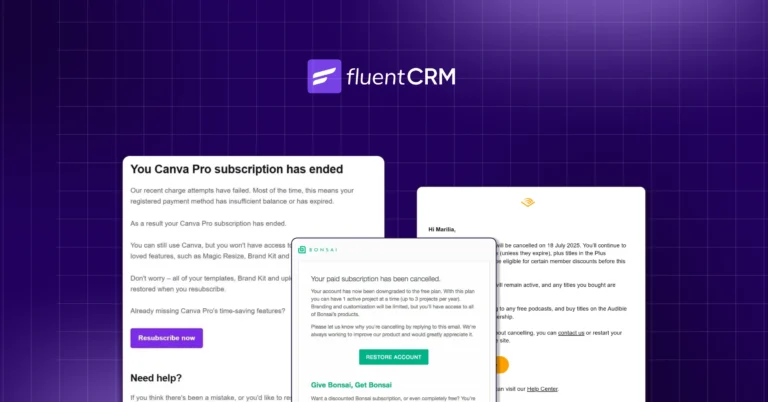
12 Subscription Renewal Email Examples from Leading Brands That Boost Customer Retention and Reduce Churn
Subscriptions are powerful for one simple reason: Growth doesn’t come from one purchase; it comes…